
RESOURCES
Best Practices
Why Text Marketing Matters
Text marketing matters because it enables businesses to establish direct, personalized, and impactful connections with their audience, driving engagement, loyalty, and revenue growth. By leveraging the unique benefits of text marketing, businesses can stay ahead of the competition and succeed in today's digital landscape.
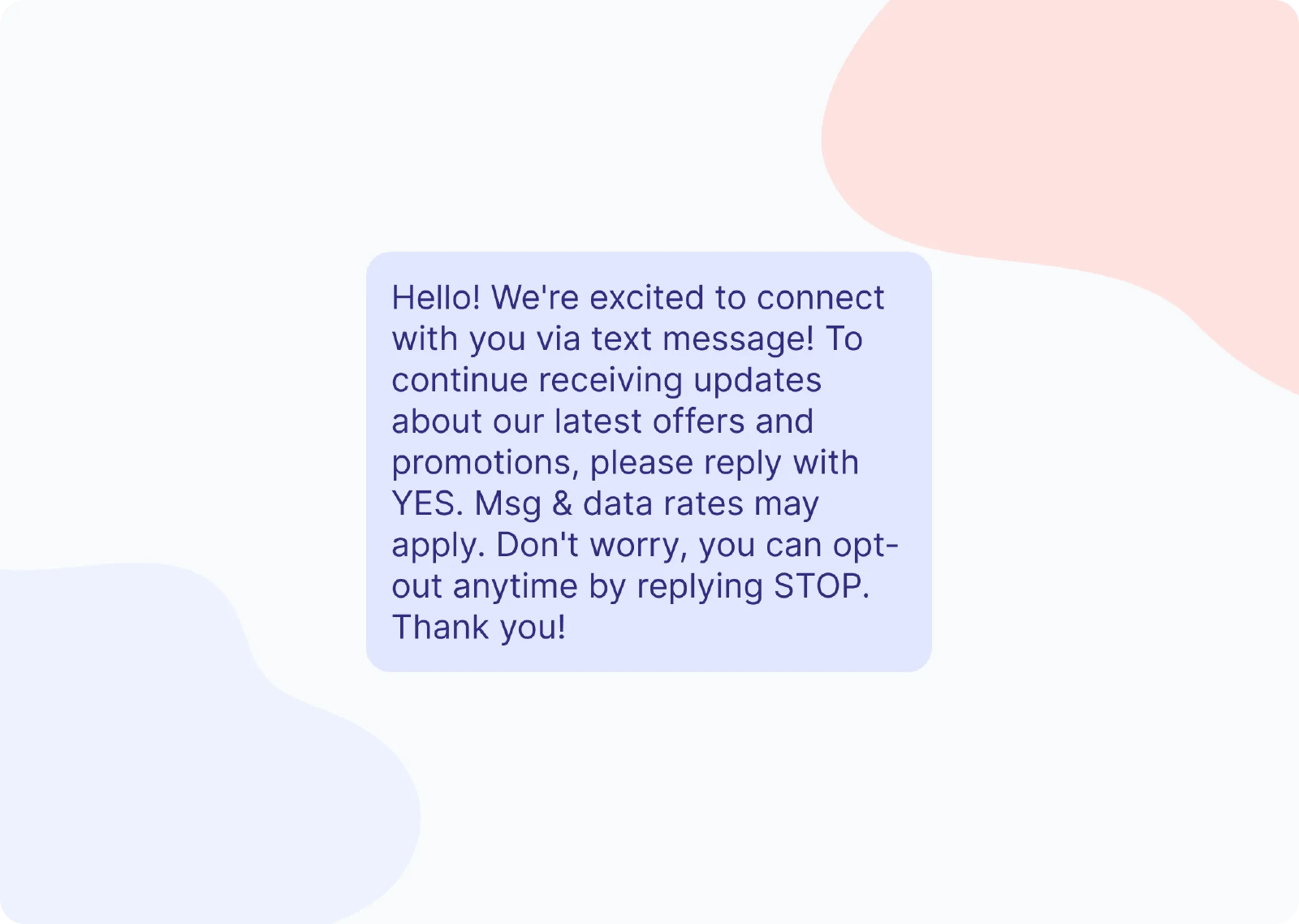
Obtain Consent
Before sending any text messages, it's crucial to obtain consent from recipients. This means ensuring that individuals have willingly opted in to receive messages from your business. Consent can be obtained through various means, such as online forms, SMS keywords, or verbal agreements. It's important to provide clear information about what recipients can expect to receive and how often they'll be contacted.
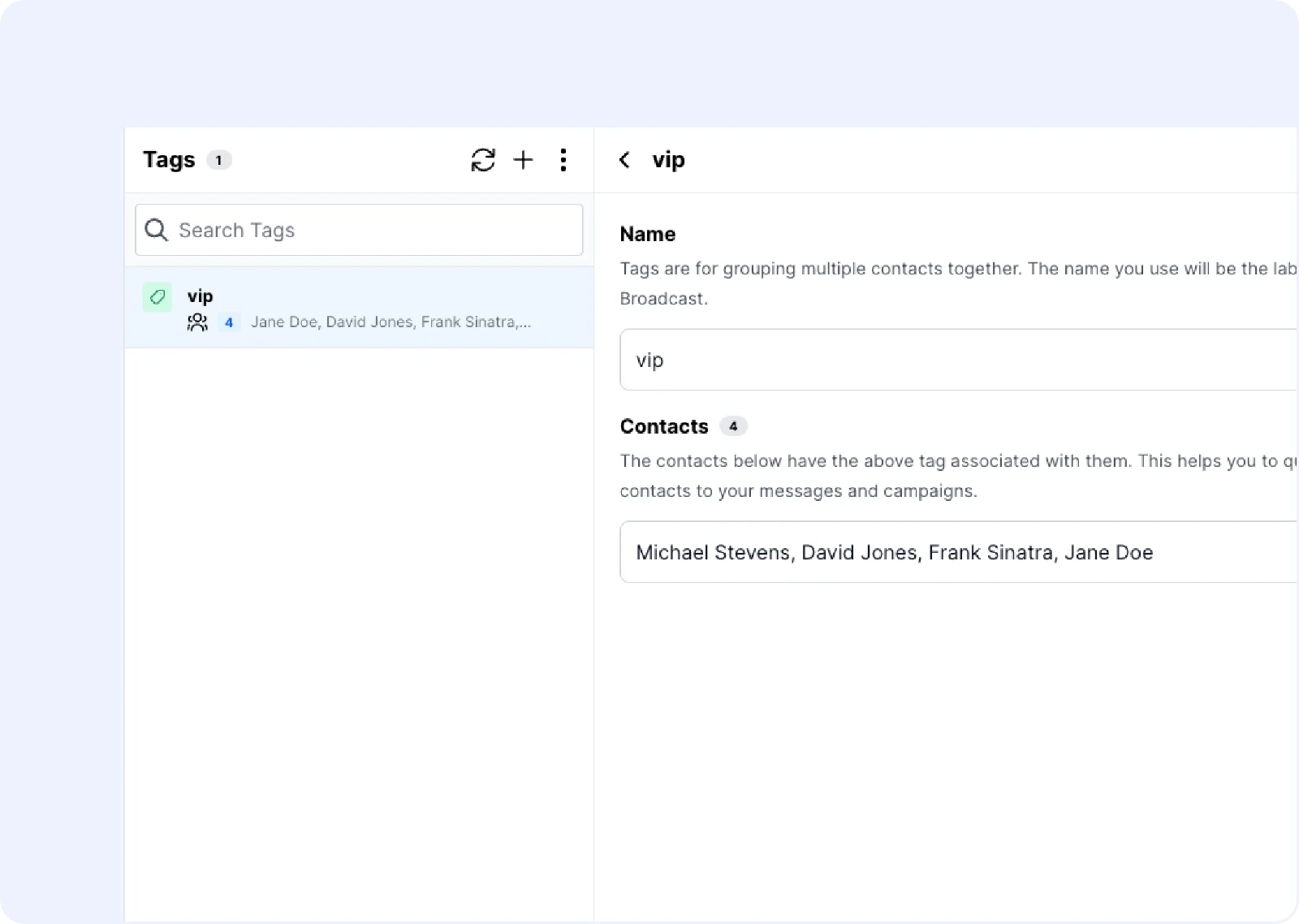
Segment Your Audience
Once you've built your subscriber list, segmenting your audience based on demographics, interests, or past interactions can help you tailor your messages for better engagement. Segmenting allows you to send more relevant and targeted content to different groups of subscribers, increasing the likelihood of conversion. For example, you might send exclusive offers to loyal customers or event invitations to subscribers interested in specific topics.
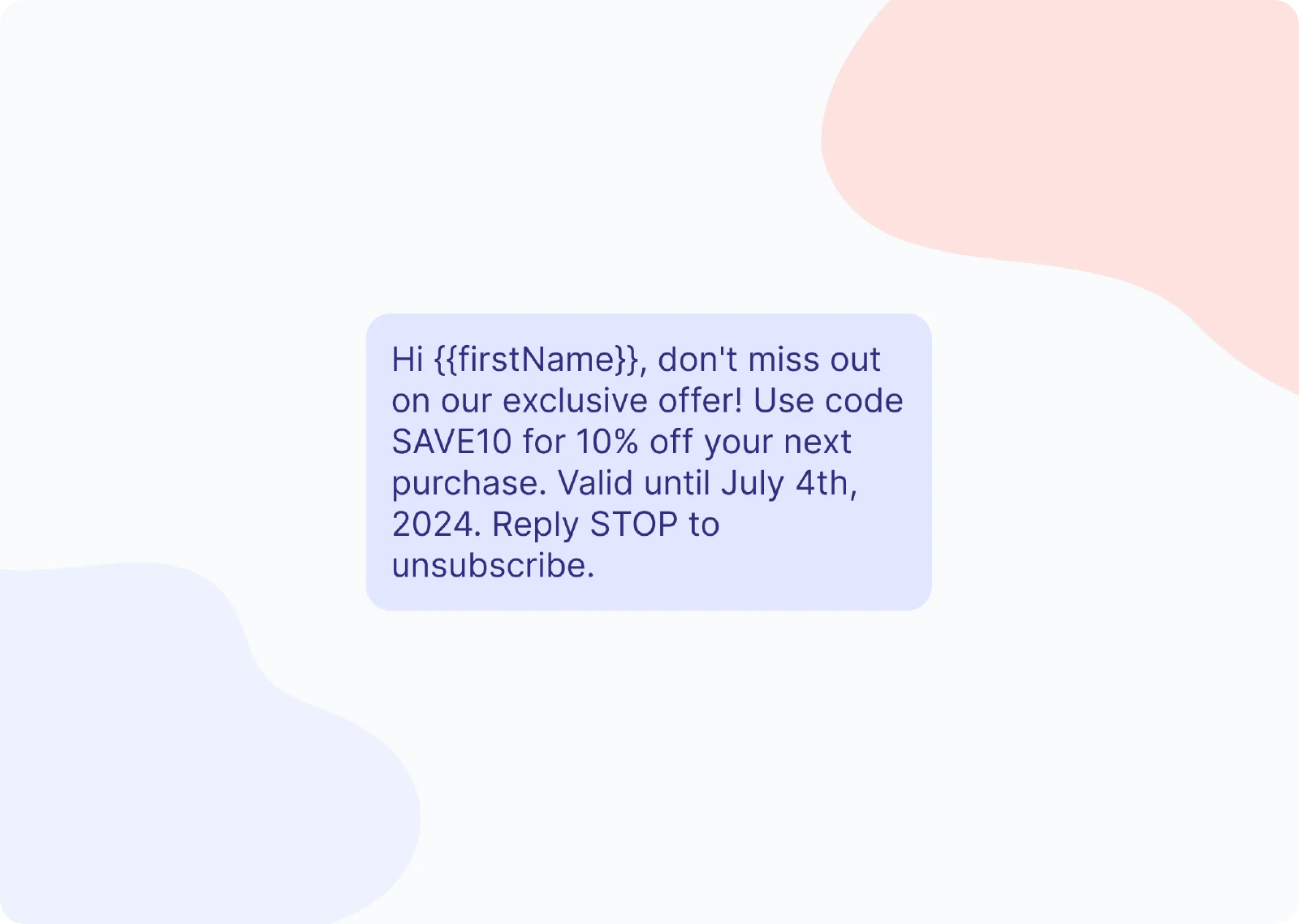
Personalize Your Messages
Personalization is key to creating meaningful connections with your audience. Incorporate personalization tokens, such as first names or past purchase history, into your messages to make them feel more customized and relevant. Additionally, consider using dynamic content to adapt your messages based on recipient preferences or behaviors. Personalized messages are more likely to capture attention and drive action.
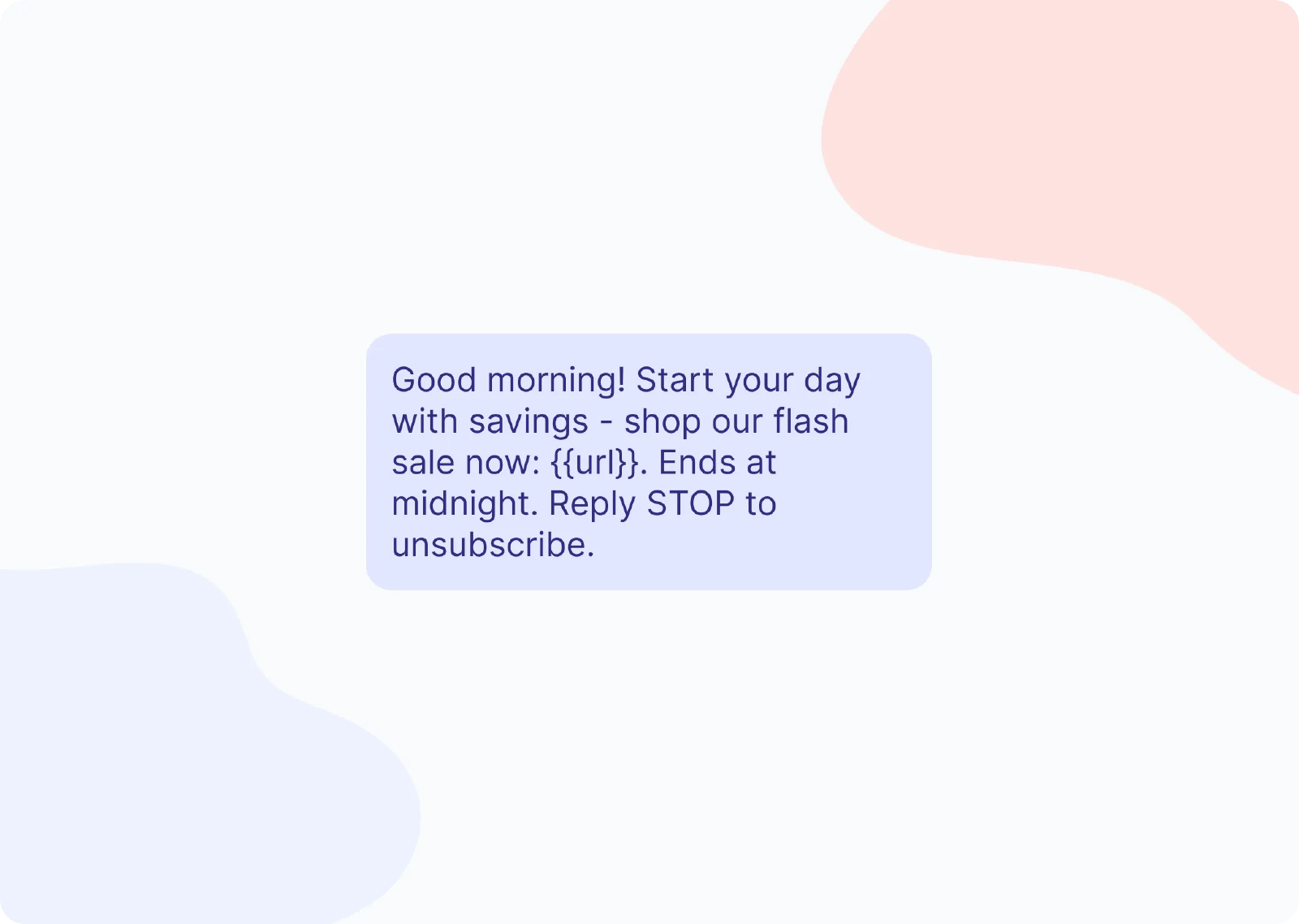
Timing & Frequency
Finding the right balance between timing and frequency is essential for successful text marketing. Avoid bombarding subscribers with too many messages, as this can lead to annoyance and opt-outs. Instead, consider factors such as time zones, customer preferences, and the nature of your message when determining when and how often to send texts. Test different timing and frequency strategies to identify what works best for your audience.
Provide Value
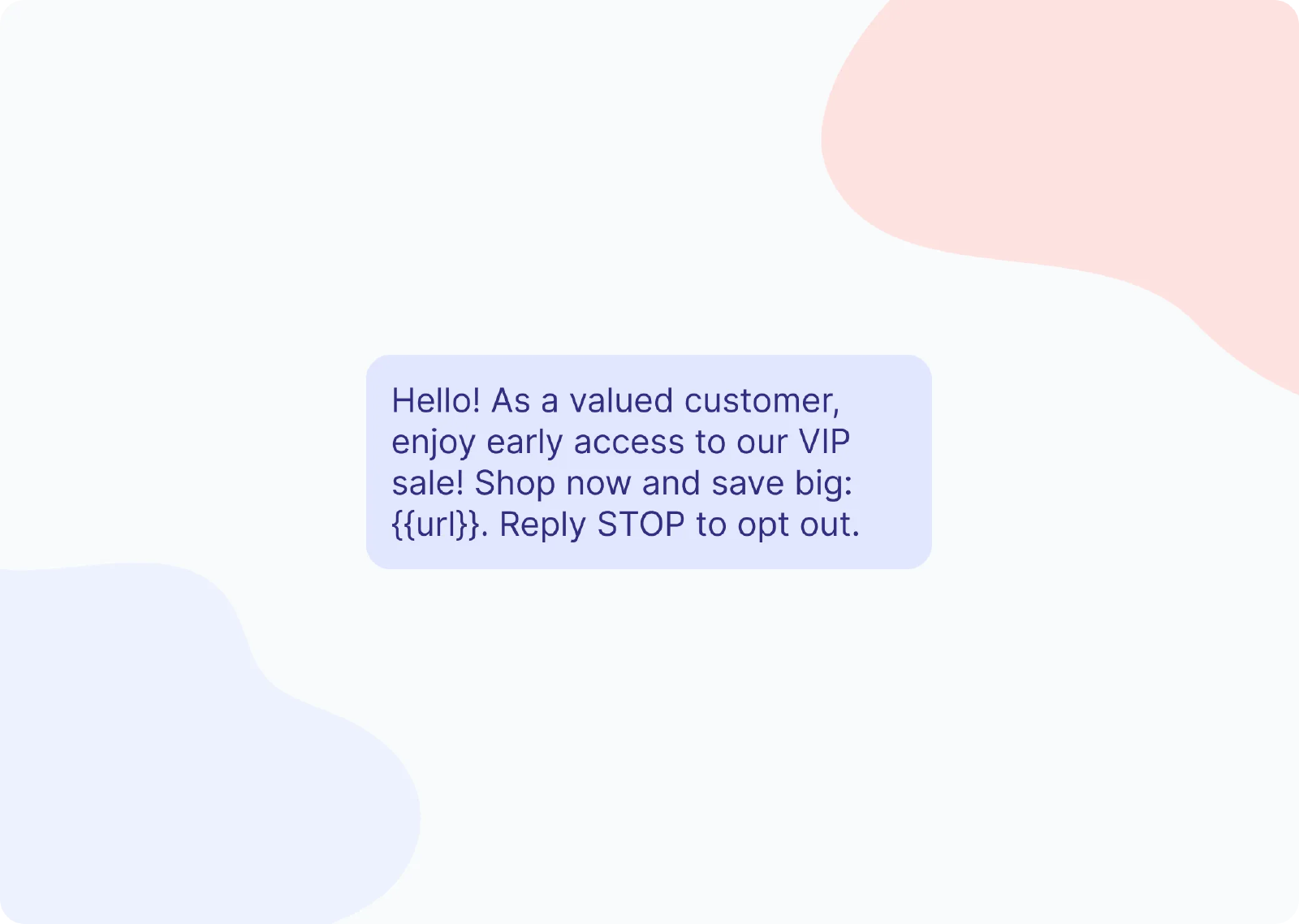
Every text message you send should offer value to the recipient. Whether it's exclusive deals, helpful tips, or important updates, make sure your messages provide something worthwhile to the recipient. Avoid purely promotional content and focus on delivering content that educates, entertains, or solves a problem for your audience. Providing value builds trust and keeps subscribers engaged with your brand.

Optimize for Mobile
Given that text messages are received on mobile devices, it's essential to optimize your messages for the mobile experience. Keep your messages concise, clear, and easy to read on small screens. Use simple language and avoid jargon or complex formatting that may be difficult to understand on mobile devices. Test your messages across different devices and platforms to ensure they display correctly.
Monitor & Analyze Performance
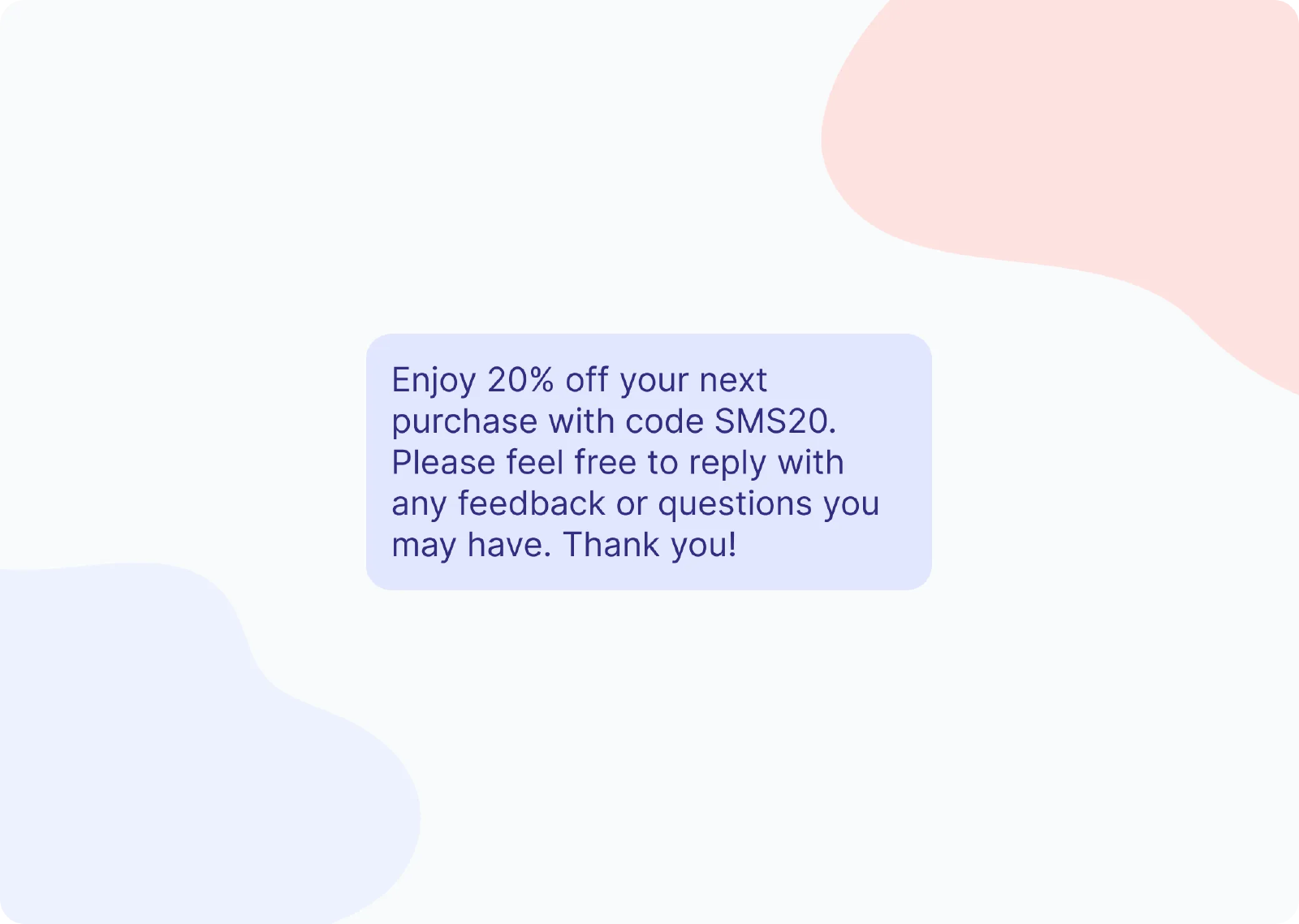
Encourage feedback through text replies or other channels like email or surveys. Gathering insights from recipients helps refine text marketing messages. Track responses, including inquiries or feedback, for valuable insights into customer preferences and refine marketing strategies.
By following these best practices, businesses can create more effective and engaging campaigns that resonate with your audience and drive meaningful results.
Why Email Marketing Matters
Email marketing remains one of the most effective channels for reaching and engaging your audience. By adhering to best practices, you can maximize your campaign's impact and achieve your marketing goals.

Setting Clear Goals
Before launching any email campaign, it's crucial to define your objectives. Are you aiming to drive sales, increase website traffic, or nurture leads? Clear goals will guide your strategy and help measure success.

Building and Managing Your Email List
Focus on growing a high-quality email list. Use sign-up forms on your website, offer incentives, and ensure you have explicit consent from subscribers. Regularly clean your list to maintain engagement rates.
Creating Visually Appealing Emails
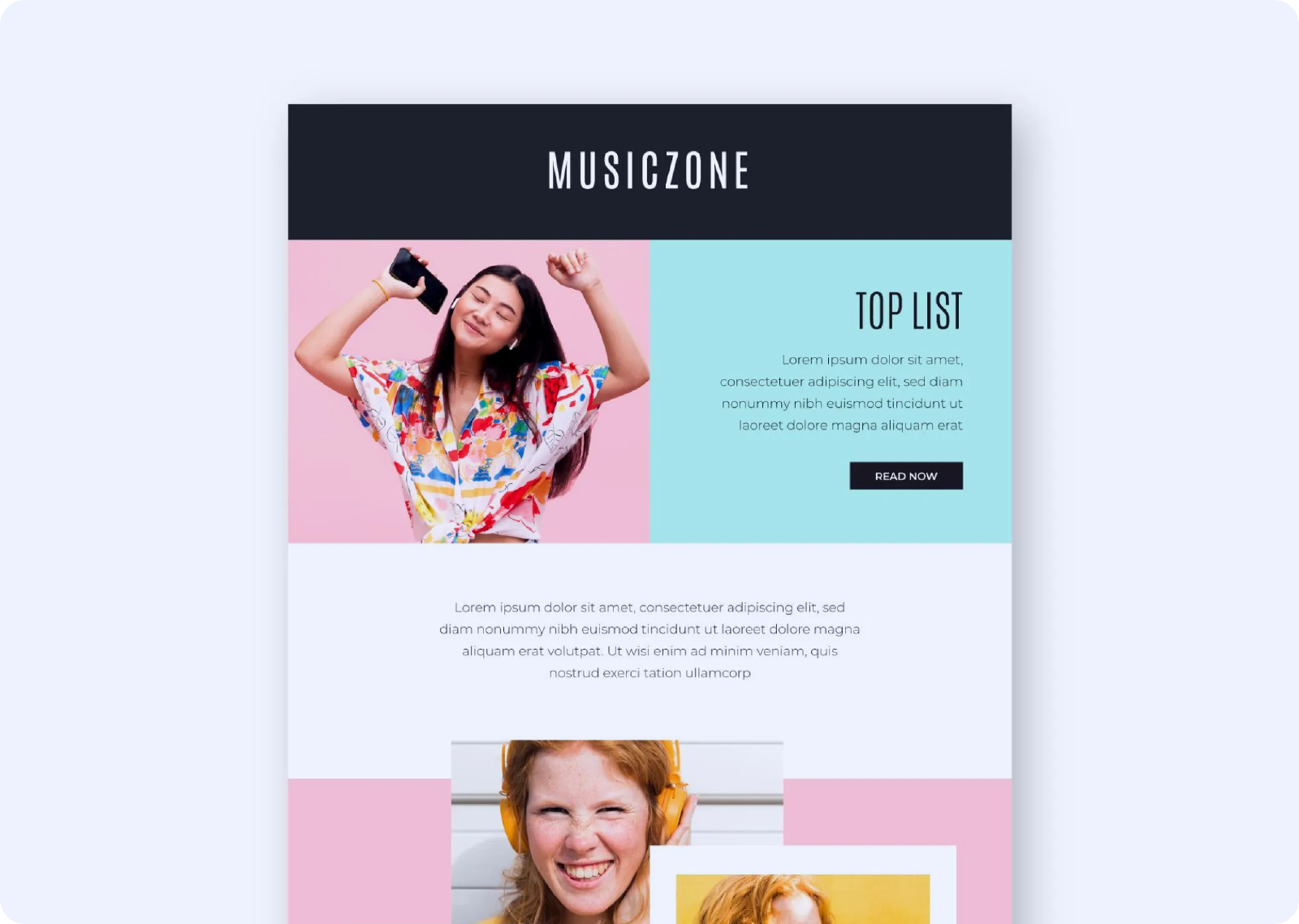
Your emails should be visually appealing and mobile-friendly. Use clean layouts, eye-catching images, and clear calls to action (CTAs). Consistent branding across all emails reinforces your brand identity.

Writing Compelling Subject Lines
The subject line is your first impression. Make it count by being clear, concise, and intriguing. Personalization and urgency can increase open rates.

Understanding Regulations
Comply with CAN-SPAM, GDPR, and other regulations to avoid penalties and build trust with your audience. Provide clear unsubscribe options and respect privacy preferences.

Ensuring Deliverability
Maintain a good sender reputation by using authenticated domains and avoiding spammy content. Regularly monitor your deliverability rates and take steps to improve them if necessary.
See why over 30,000 business builders trust Project Broadcast to connect with their communities.